
Water Damage Restoration St. Louis
Water in the house is not a wait and see problem. It spreads by the hour. We take the call, drive to your address anywhere in the St. Louis area, and start water damage restoration the same day. Our crew pumps out what is standing, dries the framing and the plaster behind it, then puts the rooms back the way they were. One call starts the work.
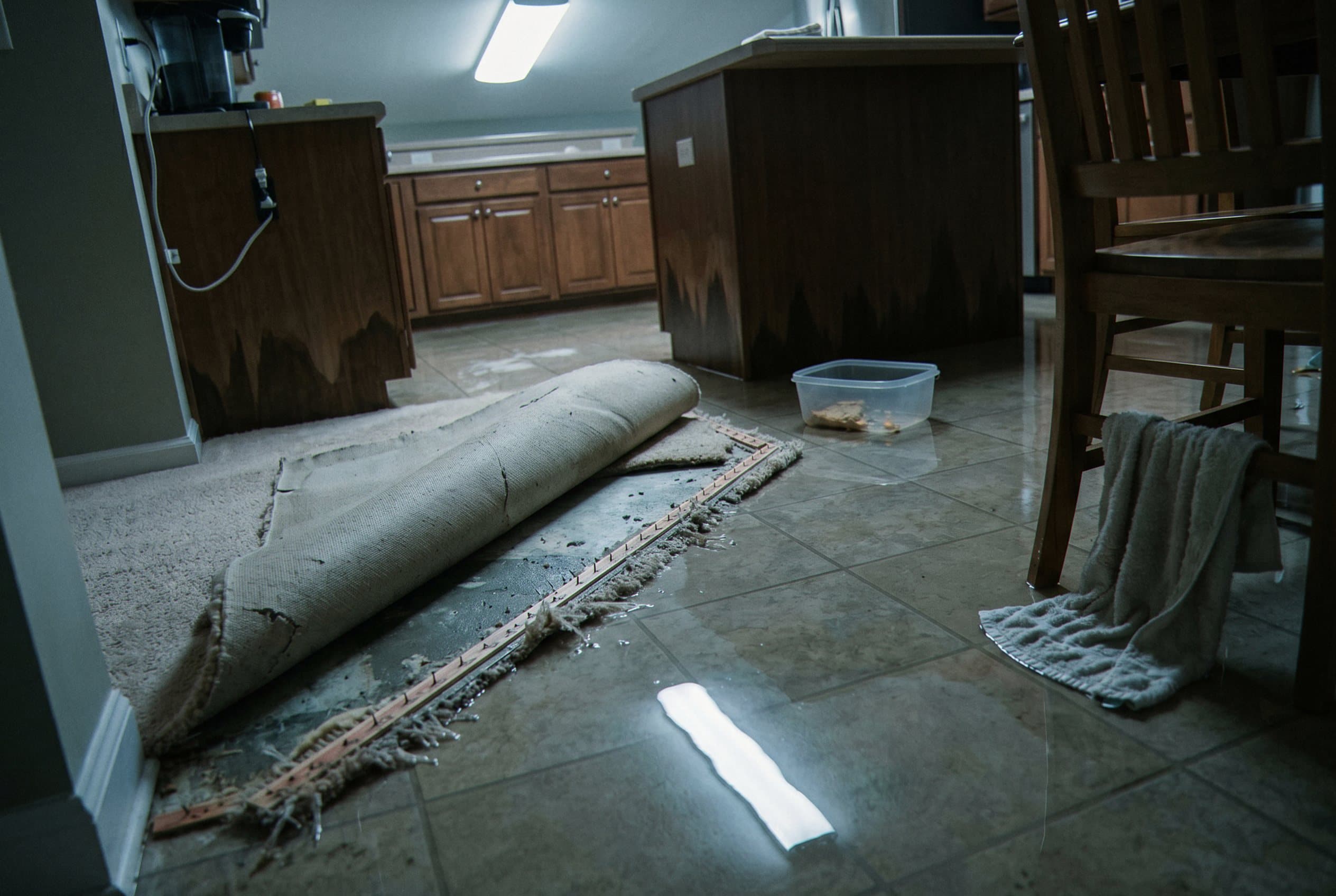
Water damage restoration in St. Louis, handled by our own crew
It usually starts quietly. A supply line behind the washer gives out on a Tuesday morning while everyone is at work. A sump pump burns out during a July storm and the finished basement takes on four inches before anyone hears a thing. A clay sewer lateral cracks under the front yard and the floor drain turns into a fountain. You come home to carpet that squishes, drywall gone dark along the bottom edge, and that sour smell that gets into everything. We handle water damage restoration across the St. Louis area, and we have walked into every version of that morning. You call, we come out, we start pulling water. There is no phone tree and no three day wait for a callback.
St. Louis housing does not behave like housing anywhere else, and that changes the job. Half this city is brick over plaster and lath, and plaster holds water long after the surface reads dry to the hand. South City bungalows sit on limestone foundations that pull moisture straight out of the soil. The old flats around Tower Grove and Benton Park have basements cut deep, with joists you can reach up and touch. Out in Kirkwood and Webster Groves the basements are finished and carpeted and full of things nobody wants to lose. We work in these houses week after week. We know which walls dry on their own, and which ones hide water in the mortar joints for a month.
Not every water damage restoration call comes from a house. We work in the four family flats where one unit floods and three neighbors learn about it through the ceiling. We work in storefronts along Cherokee Street and small offices out in Clayton, where a broken line above a drop ceiling can close a business for a week. We work for landlords who need a straight scope and a real schedule, and for managers juggling a building full of tenants who all want an answer tonight. The building type changes the plan. It never changes the order of operations. Find the water, remove the water, dry what is left standing, then rebuild whatever the water ruined.
Nothing else starts until the water is gone. Emergency Water Removal comes first, with truck pumps that clear a flooded basement in an hour or two instead of an afternoon of buckets. Then Water Extraction goes after what you cannot see. Water hides in the carpet pad, under the base trim, in the seam where the subfloor meets the joist. Left alone it climbs the drywall about an inch a day and swells the wood until the trim pops loose. Speed here decides how much of your house we save. Every gallon we pull now is a gallon we never have to evaporate later, and that is the whole difference between drying a room and rebuilding one.
Pulling the water is only half of water damage restoration. What stays behind is moisture, and moisture is the part that rots framing and feeds mold weeks after the floor feels fine again. Structural Drying & Dehumidification starts on the same visit. We set air movers along the wet walls, run commercial dehumidifiers to pull the damp out of the room air, and meter the framing, the subfloor, and the plaster every day. Those readings go into a log with the date on them. We stop when the numbers match dry material elsewhere in the house, not when the schedule gets tight. Pulling equipment early is the most common way a wet basement comes back a second time.
The rest of the work rides on the same truck. Flood Damage Cleanup for the nights when the River Des Peres and the creeks take the low ground and push water through a foundation wall. Sewage Cleanup when the lateral backs up and what comes through the floor drain is a health problem instead of a mess. Mold Remediation for the jobs that sat far too long before anyone made the call. Burst & Frozen Pipe Cleanup in January, when a line in an outside wall splits and runs all night above a finished ceiling. Water Leak Detection when the bill climbs and nobody can find the source. Then Water Damage Repair & Reconstruction to hang the drywall, set the trim, and paint the room back to normal.
There are a few useful things you can do before we pull up. Shut the main, if you can get to it without wading. Kill the breaker to the flooded room, but only from a dry spot. Lift what you can off the floor, the chairs, the boxes, the bottom drawer of the filing cabinet. Get photos of every wet room while it still looks the way you found it, because that is what the adjuster wants to see. Leave the shop vacuum in the garage. It will not move enough water to matter, and it puts you on a wet floor with a plug in your hand.
Most people file a water claim once, if ever. The paperwork turns into its own kind of stress on top of a wrecked room. We photograph room by room, write the scope in plain words, and hand over the daily moisture log so the adjuster has it before asking. We speak with the carrier directly when you would rather we did. What your policy covers is between you and the carrier, and we will not pretend to know that answer for you. What we can do is make the file clean and easy to read, so nothing stalls while the house sits open and half torn out.
One call starts it in St. Louis
Tell us what is going on and we will walk you through the options. Open .
(314) 597-7468Water Damage Restoration St. Louis
Emergency Water Removal
Standing water in your St. Louis home or business? We pump it out, dry it down, and document it, day or night.
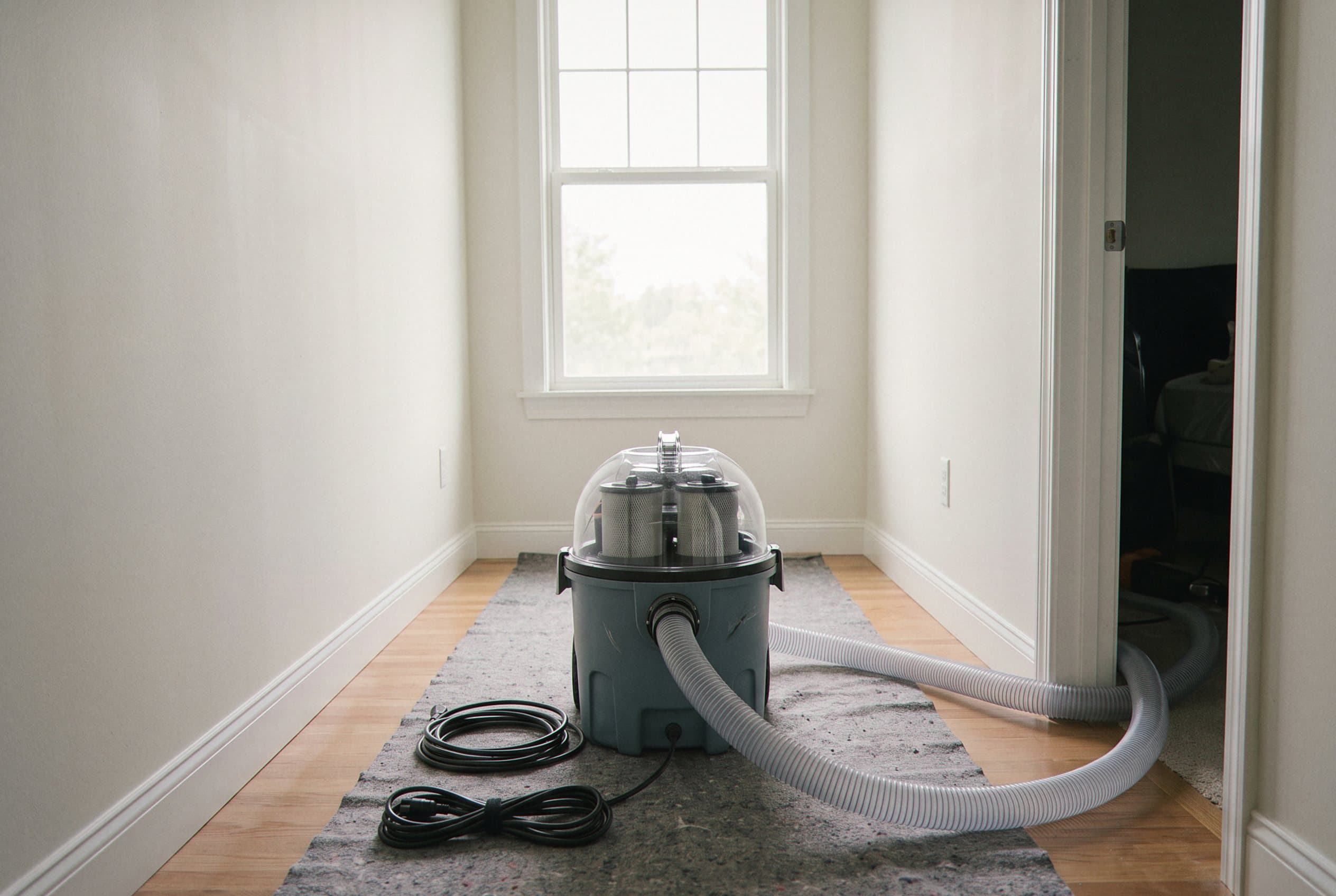
Water Extraction
Standing water pulled out fast, before it ruins your floors.
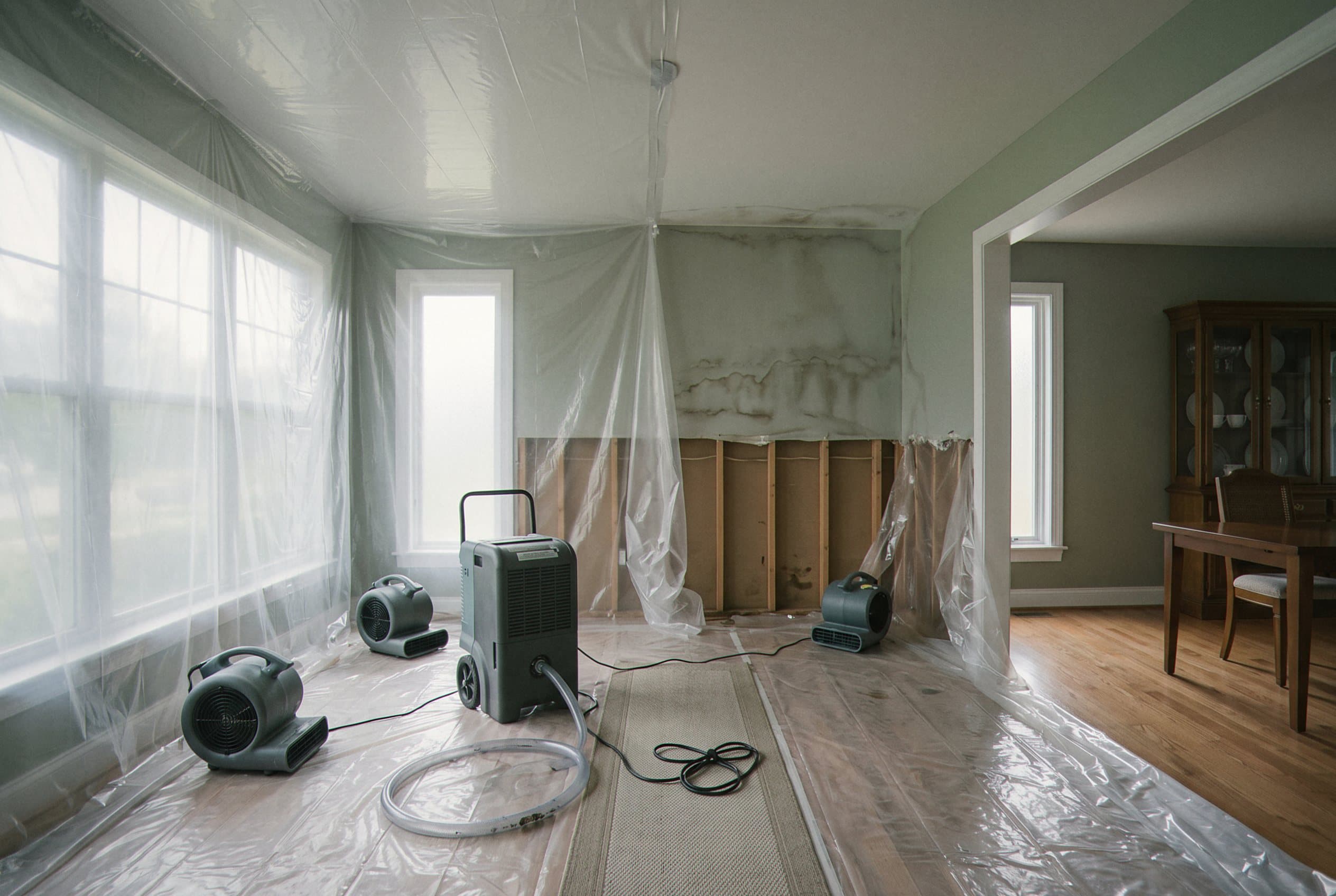
Structural Drying & Dehumidification
We dry the framing, subfloor, and walls down to a meter reading, so mold never gets a chance to start.
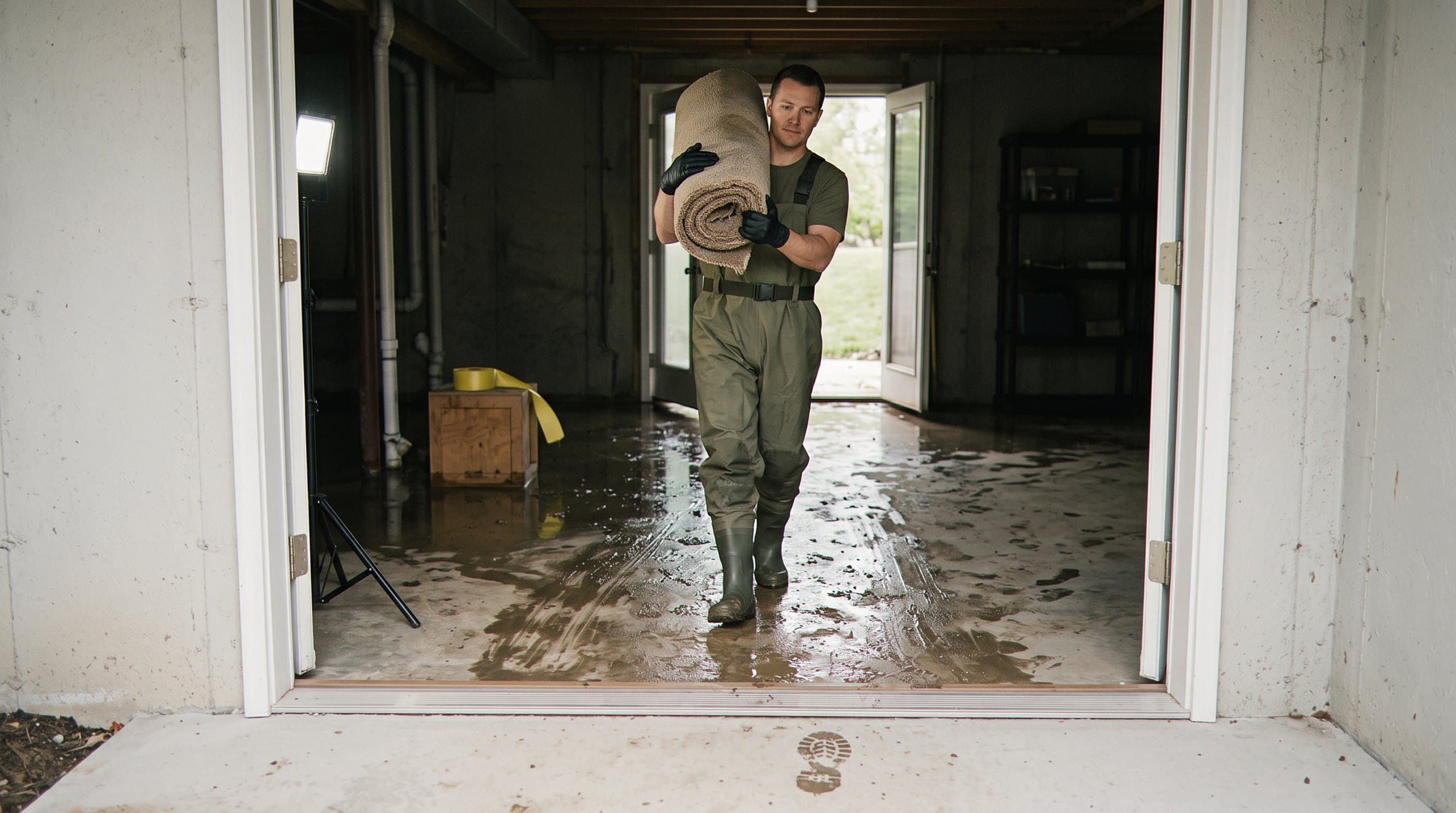
Flood Damage Cleanup
Standing water from a storm or a river crest, pumped out and dried across St. Louis.
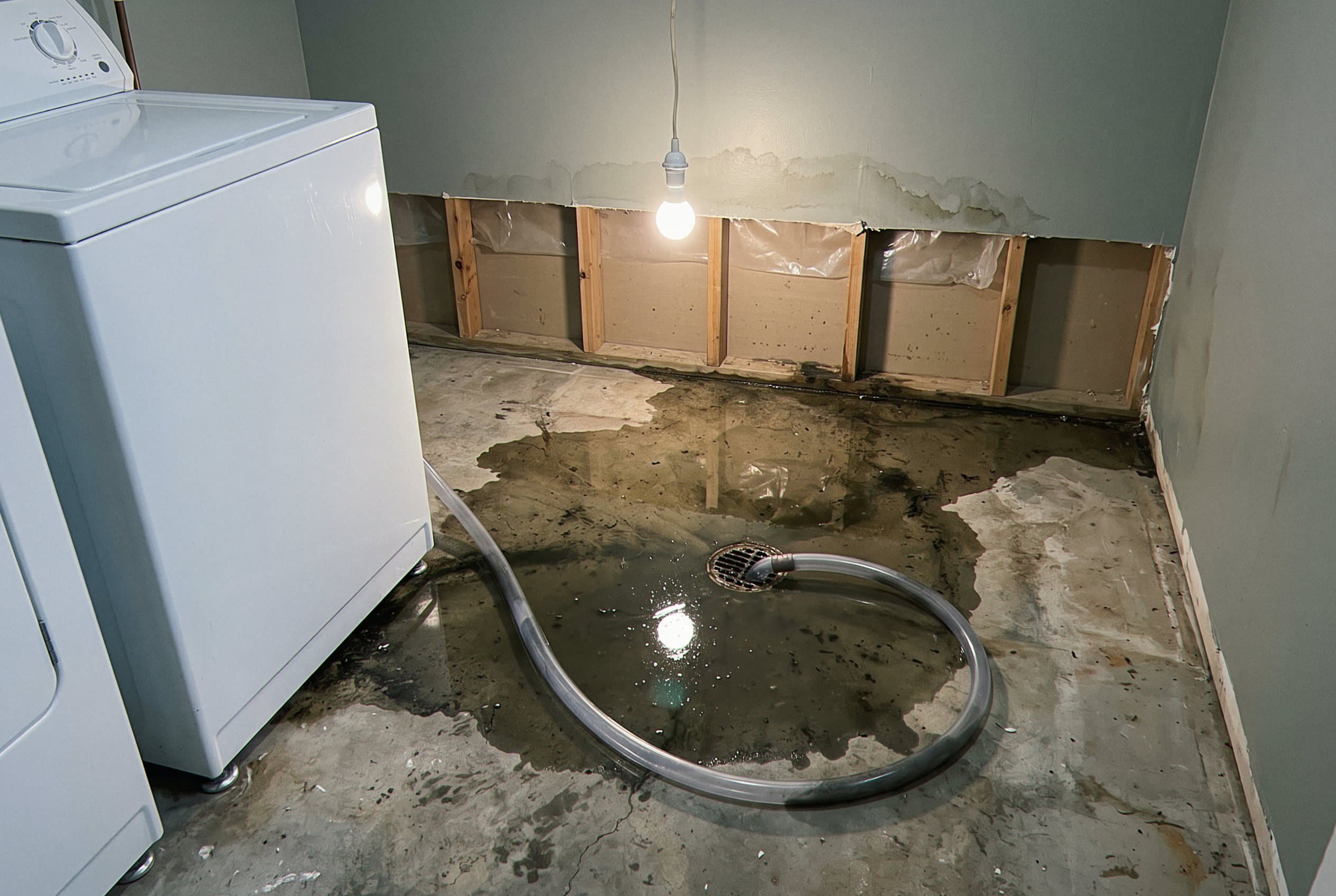
Sewage Cleanup
Raw sewage backing up into your St. Louis home is a biohazard. We remove it, disinfect, and dry the space fast.
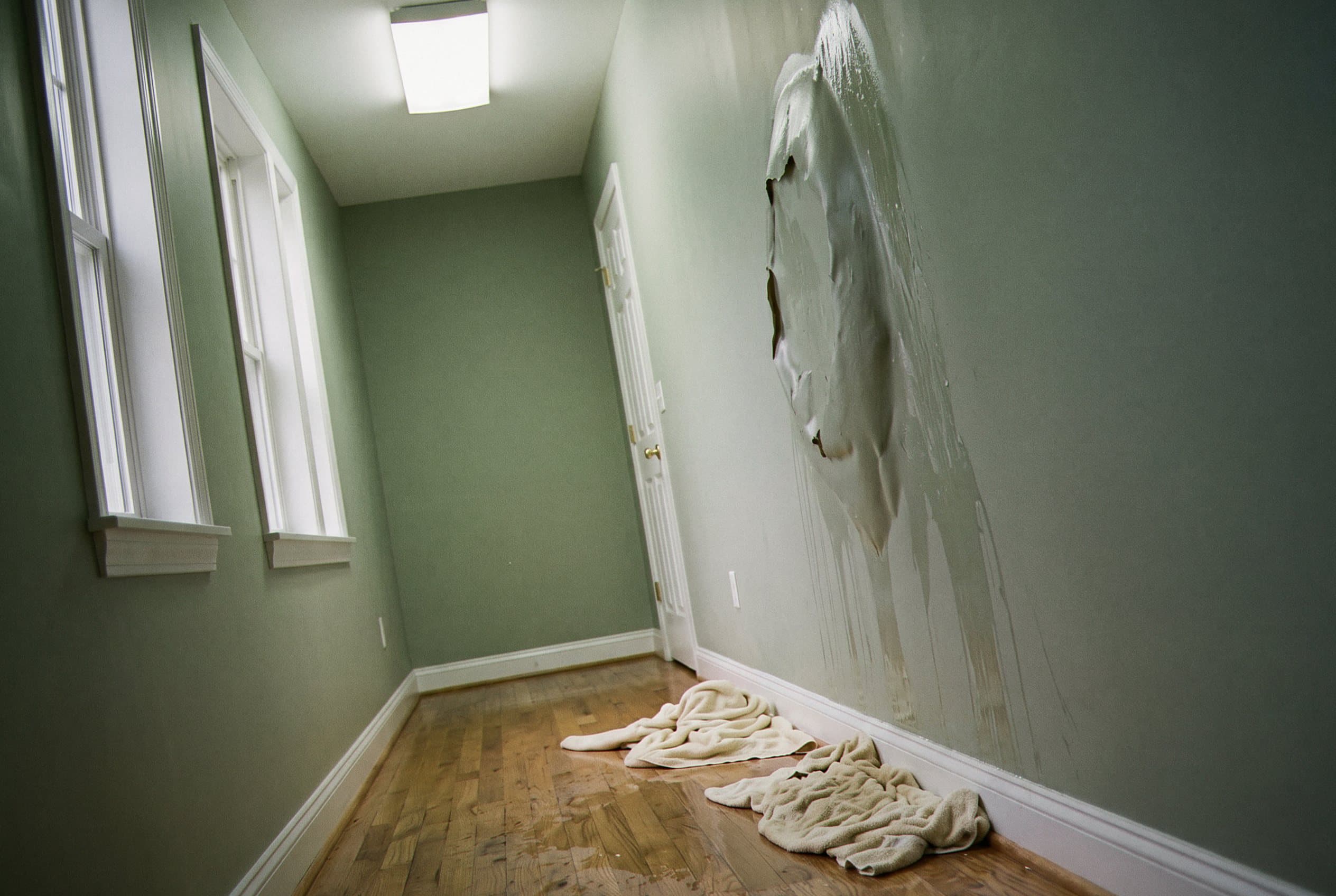
Burst & Frozen Pipe Cleanup
A burst pipe floods a home fast. We answer, stop the water, and dry your St. Louis home.
What good water damage restoration looks like on site
The first day decides most of the outcome. Inside a day, water has climbed the drywall and soaked into the sill plate. Somewhere around the second day, mold finds the damp paper backing on that drywall and starts to grow. That is why our line stays open at night and on weekends, and why we spread coverage across the whole metro instead of one corner of it. Clayton, Affton, Maplewood, Florissant, the far end of South Grand. We get there without a two county drive first. Distance is not a small detail when the water is still running.
Here is how a water damage restoration visit actually goes. We walk the house with you and find the source before touching anything, because water travels sideways and shows up two rooms from where it began. We stop it, a valve, a pump, a capped line. Then Emergency Water Removal runs and the standing water goes. Water Extraction follows over the carpet and the subfloor. After that we pull the ruined pad, cut the wet drywall in a straight line above the water mark, and carry out whatever will not come back. You see the room change inside two hours. That matters more than people expect on a morning when the house feels like it is coming apart.
Drying is slower and far less dramatic, and it is where these jobs are won or lost. Air movers go where the air will sweep the wet face of the wall, not simply where there is an outlet. Structural Drying & Dehumidification keeps the room air thirsty enough to take moisture back out of the wood. We drill weep holes at the base of a plaster wall when the cavity is holding water, because brick and plaster will never dry through the surface on their own. Same spots, same meter, every day. Good water extraction up front means less to dry now, which is exactly why we never rush that first step.
Our year here has a shape to it. Spring brings long rain and rivers running high, with the Meramec backing into low ground on the south side of the county. Summer storms drop two inches in an hour and hand the sewers more than they were built to take, and that is when floor drains start pushing back into basements. Fall is sump pump season, when the pump that idled all summer picks the wrong week to quit. Winter splits pipes in outside walls and cold crawl spaces, and a broken line above a finished ceiling can run for eight hours before anyone upstairs wakes up. We build our water damage restoration schedule around that calendar, not a generic one.
Not all water is the same, and the difference decides what stays and what goes. A broken supply line is clean, and most of what it touched can be dried in place. Water that sat for days, or came out of an appliance, has gone bad and gets handled with more care. Sewage and storm water are the dirty category. Those carry bacteria into the house, so we contain the space in plastic, run negative air, take out everything porous the water touched, then clean and disinfect the hard surfaces before a single fan turns on. Sewage Cleanup follows the IICRC standard, and our mold work follows EPA guidance, because the shortcut version of this makes people sick.
When the meters read dry, the rebuild starts and the house begins to look like yours again. New drywall, taped and finished. Base and shoe replaced to match what was there before. Paint feathered out so the wall does not read as a patch under afternoon light. Flooring reset or replaced, depending on what the water did to it. Water damage repair and reconstruction stays under our roof on purpose, so you are not hiring a dry out company, then a carpenter, then a painter, and refereeing between all three. Flood Damage Cleanup should end with a finished room, not a dry one.
The building is not the only thing a water damage restoration job has to handle. There are boxes on the basement floor, the furniture that was in the room, and the things that end up down there because no other spot in the house will hold them. We sort it with you and we stay straight about what is worth saving. Solid wood usually dries. Particle board and pressed panel almost never do. Paper and photographs get our fastest attention, because they have the shortest window of anything in the room. Whatever can be saved moves to a dry part of the house with air on it. What is gone gets photographed and listed, so the loss is on the record for your claim.
Basements are the heart of it here, because in this city they are finished, used, and sitting at the low point of everything. A sump pit with no backup pump is one power outage away from a flooded family room. A floor drain with no backwater valve is an open door when the mains surge during a summer storm. We are not plumbers and we will not sell you a system, but we will tell you plainly what we saw while we were down there. When the same corner floods every spring, drying it a fourth time is not the answer. Part of good water damage restoration is naming the cause out loud, so the next hard rain becomes somebody else's story instead of yours.
Plenty of our work never involved a storm at all. A water heater rusts through at the seam and empties across a finished floor. A washer hose splits while the house is at work. A dishwasher weeps under the cabinet for a month until the cabinet base turns to sponge. An ice maker line drips behind the fridge, quiet the whole time, until the flooring buckles in a line across the kitchen. We take those the same way, find the source, dry the structure, repair what the water hurt. Small leaks hide the longest, and the hidden ones do the most damage before anybody starts counting the cost.
You hear from us the whole way through. What we found behind the wall, what the readings did overnight, what happens next and roughly when it happens. We answer the phone, and we answer questions in plain words, without the jargon that makes people feel talked down to. When we get something wrong, you hear that from us too. Most homeowners face water damage restoration once, under stress, with a floor full of water and no idea what normal is supposed to look like. Our job is to make it feel handled. That is why people here call us back, and why they pass our number to the neighbor two doors down when it happens on their block.
Finished means something specific to us. The readings in the materials that took water match the dry ones we pulled from across the hall. The equipment is out and off your power bill. The debris is gone from the driveway instead of stacked by the garage until Thursday. The rebuilt wall matches the one beside it in texture and in color, and the trim lines up clean at the corner. You have copies of the photos, the written scope, and the daily log for your own file. Then we walk it with you one last time, room by room, and you tell us what still bothers you before anybody calls the job done. Sometimes that is a door that swelled and now sticks in the frame. Sometimes it is a smell in a closet we need to go chase down. We would rather hear about it standing in your kitchen than read about it a month later.
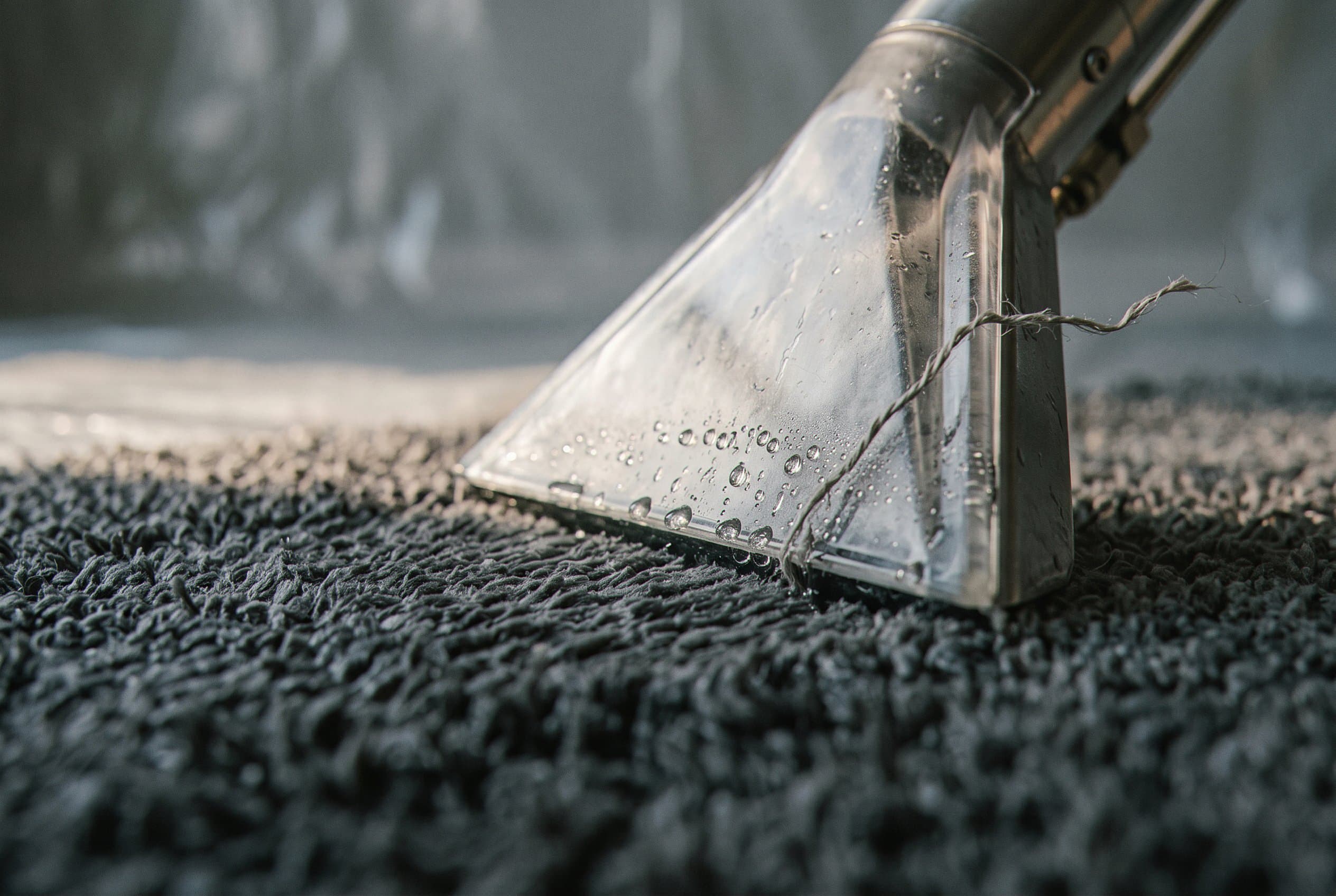
How a water damage restoration job goes
Your inquiry
Call or send the short form with what is going on at your place. A sentence or two is plenty for the first step.
We talk it through
We go over the situation on the phone, ask the questions that matter, and tell you what we would do next.
A clear plan
You get a plain-language rundown of the work, the order it happens in, and what to expect on the day.
The work gets done
Our crew shows up when we said, does the job, and walks you through the result before leaving.
Water in the house? Let us get it dry.
Tell us what is going on at your St. Louis home and we will walk you through the options. One call or one short form is all it takes.
Call (314) 597-7468 →Make your inquiry
Looking for help at a St. Louis home? Send the short form and we get back fast during open hours: .
Start the formQuestions St. Louis families ask
Straight answers first. If yours is not here, call (314) 597-7468 and ask.
How fast can you get to my St. Louis home?
What do I do before you get here?
Do you work with insurance?
How long does drying take?
Will mold show up later?
Is the water contaminated?
Water in the house? Let us get it dry.
Tell us what is going on at your St. Louis home and we will walk you through the options. One call or one short form is all it takes.
Call (314) 597-7468 →Make your inquiry
Looking for help at a St. Louis home? Send the short form and we get back fast during open hours: .
Start the form